How Do You Store Furniture So It Survives North Carolina Humidity?
Storing your furniture? Here's what you need to know.
Furniture is one of the most common things people bring to a storage unit, and one of the easiest to get wrong. A dresser that goes in looking great can come out with a swollen drawer, a cloudy finish or a musty smell that won't quit. In Burlington, the usual culprit isn't time. It's humidity.
The good news is that a little prep and the right kind of unit prevent almost all of it. Whether you're between homes, clearing rooms for a remodel or holding on to a family piece until you have space for it, here's how to store furniture so it comes out the way it went in.
Why Is Humidity So Hard on Stored Furniture?
Wood is always trading moisture with the air around it. When the air is damp, wood swells. When it dries out, wood shrinks. Do that through a few hot, sticky North Carolina summers and a few dry winters, and joints loosen, veneer lifts, drawers stick and tabletops can warp or crack.
Upholstered pieces have a different problem. Fabric and padding hold on to moisture, and a damp, closed-up space is exactly what mildew needs. Leather can dry out, crack or discolor when conditions swing back and forth. Even metal hardware, hinges and bed rails can pick up rust spots if moisture settles on them.
This is furniture country, too. With High Point a short drive west, plenty of Alamance County homes have at least one solid wood piece that's worth protecting properly.
Should You Choose Climate-Controlled or Drive-Up Storage for Furniture?
It depends on what you're storing and for how long. We cover the full comparison in our post on drive-up vs. climate-controlled storage, so here's the furniture version.
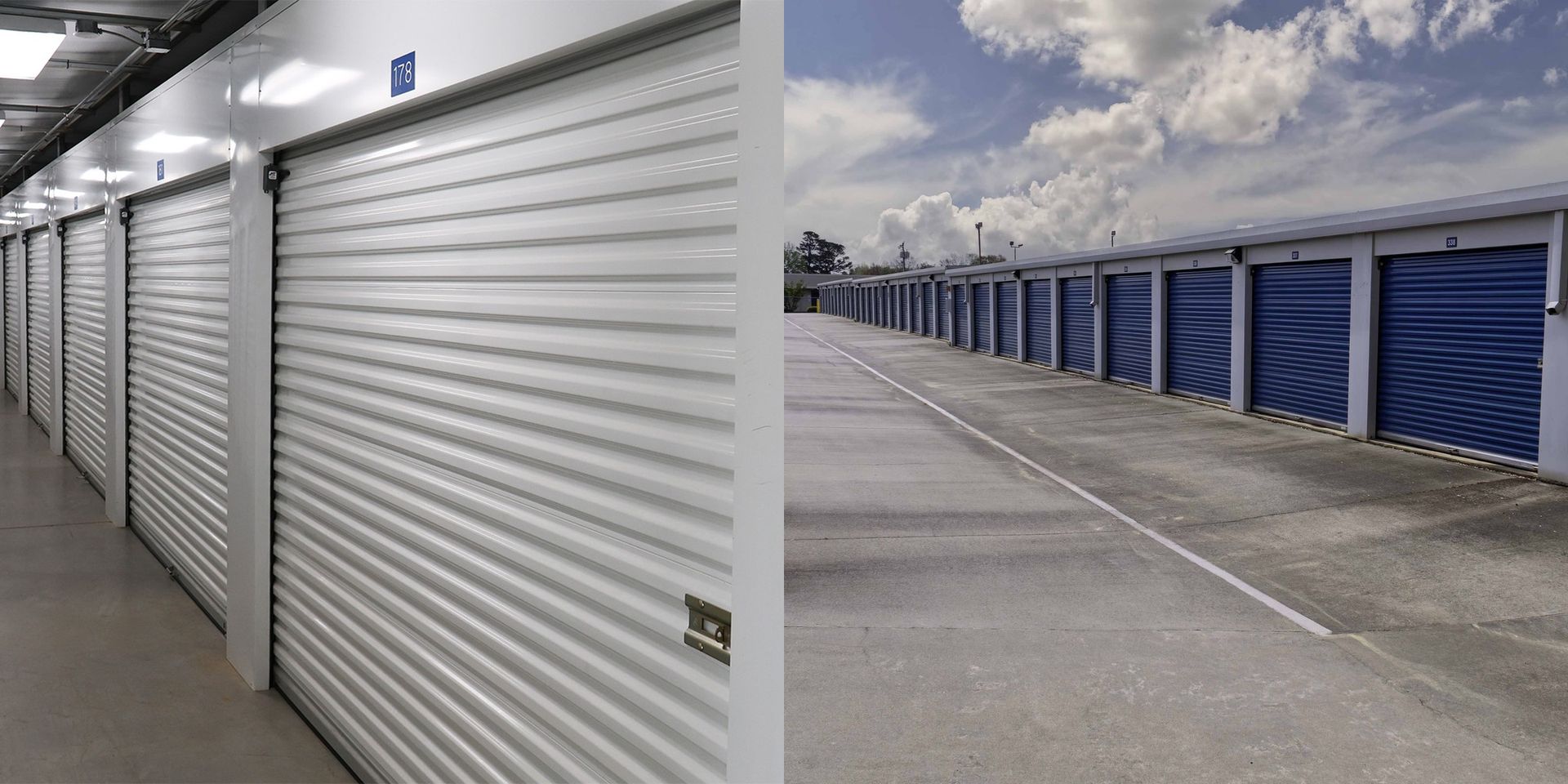
Choose climate-controlled storage for wood furniture, antiques and heirlooms, leather, upholstered sofas and chairs, mattresses, pianos and anything with a fine finish or veneer, especially if it'll be stored for more than a couple of months. Our climate-controlled units are inside an enclosed building where temperature and humidity are regulated year-round, which takes the big swings out of the equation.
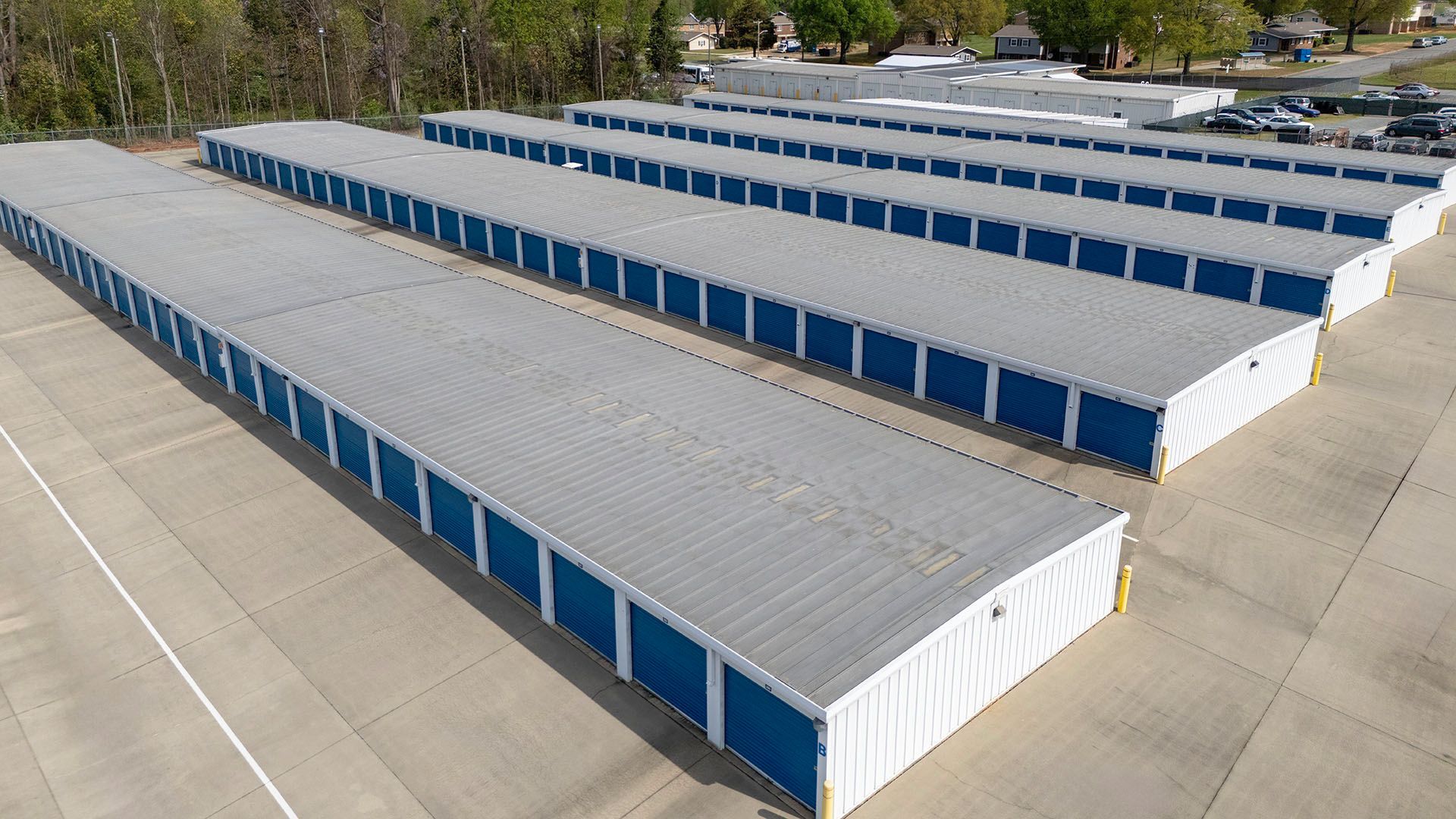
Drive-up storage is a good fit for outdoor and patio furniture, metal and plastic pieces, sturdy everyday furniture you'll only store for a short stretch, and anything you'll be loading and unloading often. You pull right up to the door, which makes a big move a lot easier on your back.
Many people split the difference: the good dining set and the leather recliner go in climate control, and the patio set, shelving and garage overflow go in a drive-up unit. America's Self Storage has both.
How Should You Prepare Furniture Before It Goes Into Storage?
Start with clean and completely dry. Dust and crumbs attract pests, and any moisture you pack in stays with the furniture.
Wipe down wood pieces and give them a coat of furniture polish or paste wax, which adds a light layer of protection. Vacuum upholstered pieces, including under the cushions, and let anything you've spot-cleaned dry fully before you wrap it. Condition leather so it goes into storage supple instead of already drying out.
Take apart what you can. Remove table legs, bed frames, headboards and mirror attachments. Disassembled pieces take up less space and are far less likely to be damaged when something shifts. Put screws, bolts and brackets in a zip-top bag, label it and tape it to the piece it belongs to. Future you will be grateful.
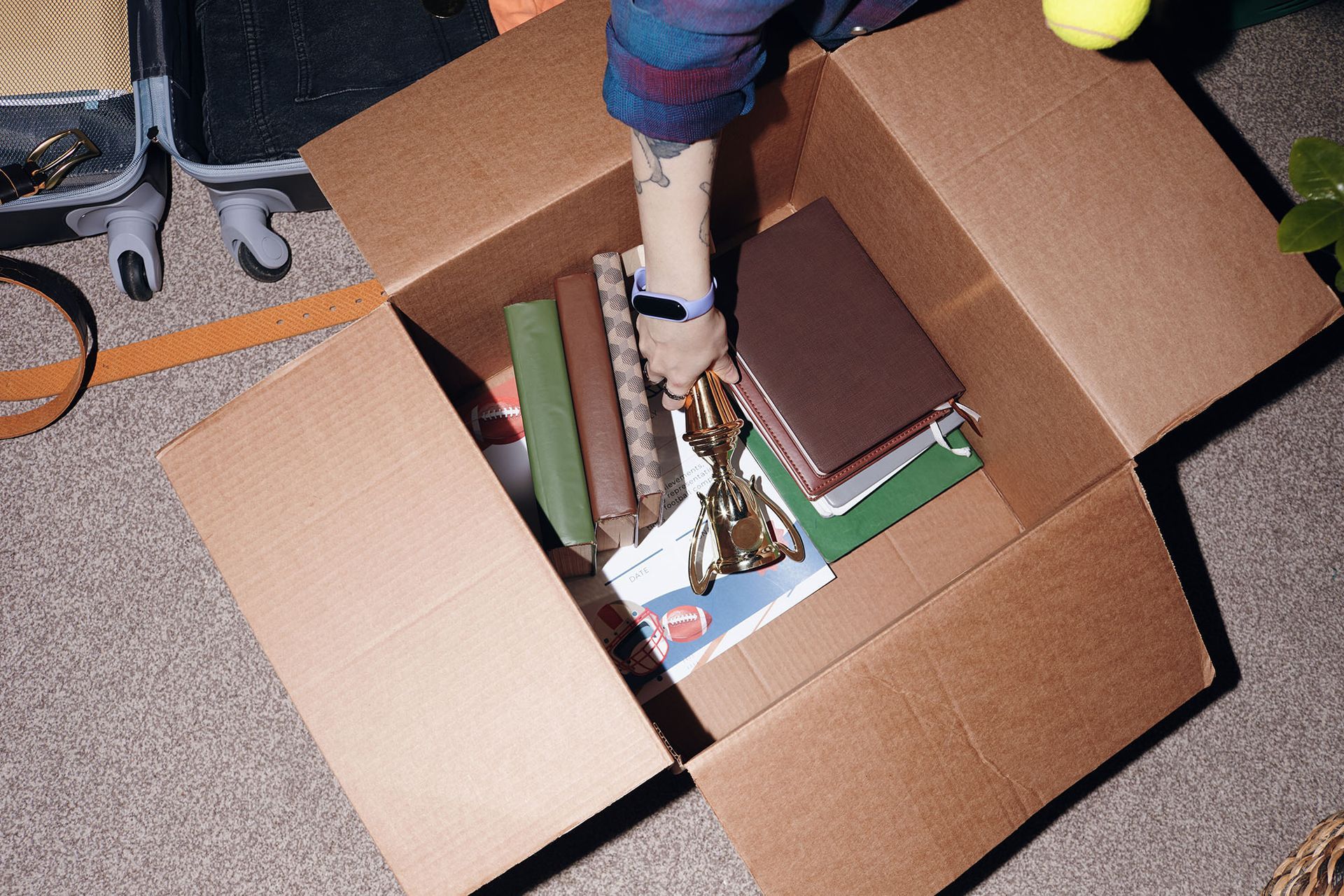
Empty out anything you wouldn't want stored long term, like food, candles that can melt or anything damp. Drawers are a fine place for light items such as linens or towels, as long as they're clean and dry.
What's the Best Way to Wrap Furniture for Storage?
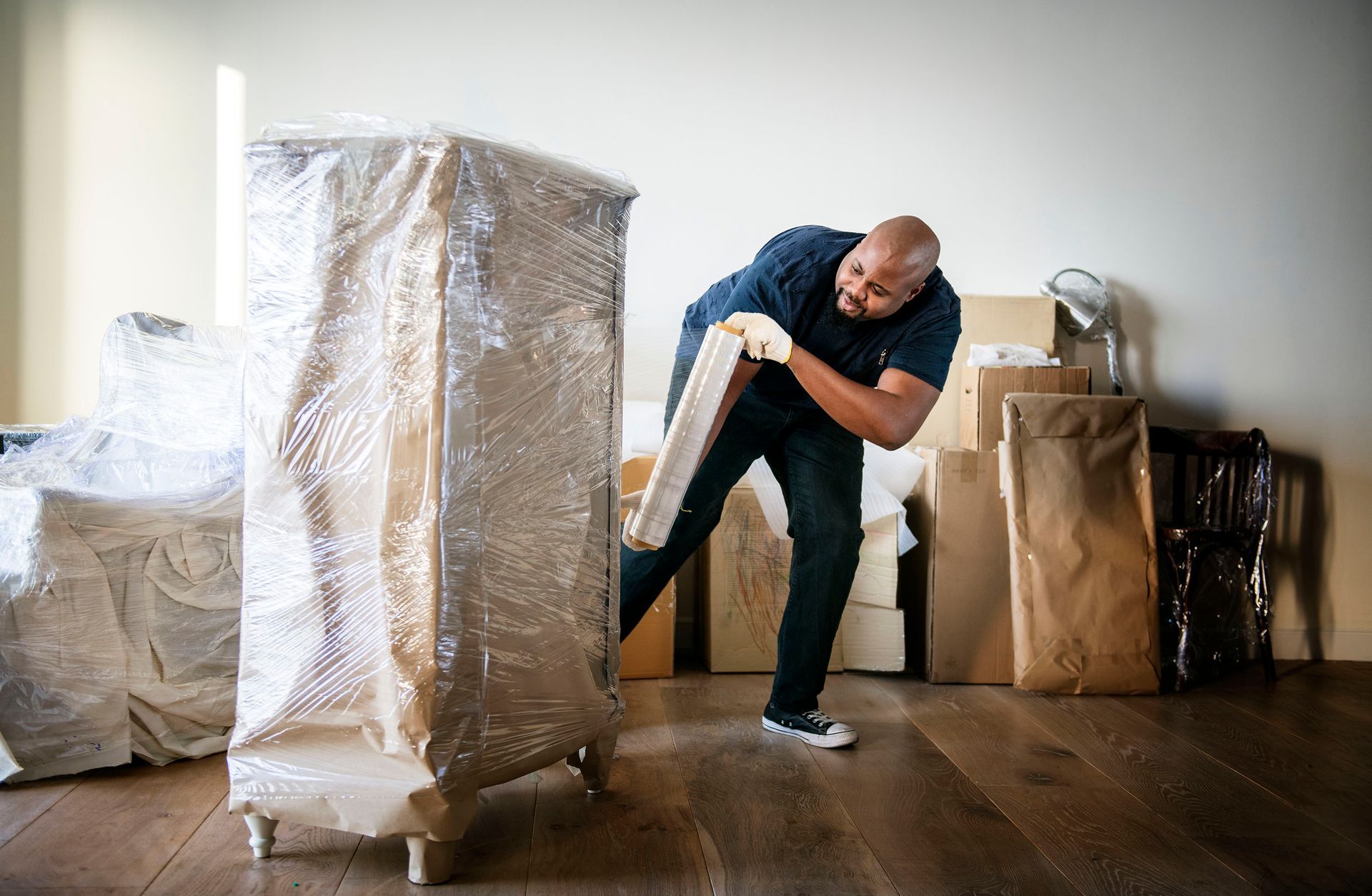
Use materials that breathe. Moving blankets, furniture pads, old cotton sheets and drop cloths protect against dust and scratches while still letting air move.
Avoid sealing wood or upholstered furniture tightly in plastic wrap for the long haul. Plastic is handy on moving day to keep drawers closed and fabric clean, but left in place it traps moisture against the surface, which is how mildew and finish damage start. Once the piece is in the unit, cut the plastic off and drape a breathable cover over it instead.
Add cardboard corner protectors to tables and dressers, and wrap glass tops and mirrors in padding before standing them on edge. A mattress bag keeps a mattress clean during the move, and a breathable cover is the better choice once it's settled in.
How Should You Load Furniture Into a Storage Unit?
Keep furniture off the floor when you can. Wooden pallets or a plastic sheet under your pieces add a barrier between the furniture and the concrete, which matters most in a drive-up unit.
Leave a few inches between furniture and the walls so air can circulate. Put the largest, heaviest pieces in first along the back wall, then work forward with lighter items. Stand sofas on end to save floor space if they're sturdy enough, and keep mattresses flat when you have room, with nothing heavy on top.
Don't stack boxes directly on wood tabletops or dresser tops. Put a blanket down first, or better yet, keep heavy boxes off finished surfaces entirely. Leave a walkway down the middle so you can reach things in the back without climbing over the dining chairs.
How Big a Storage Unit Do You Need for a Houseful of Furniture?
Our guide to choosing a storage unit size walks through every option, but for furniture the answer usually starts with how many rooms you're storing.
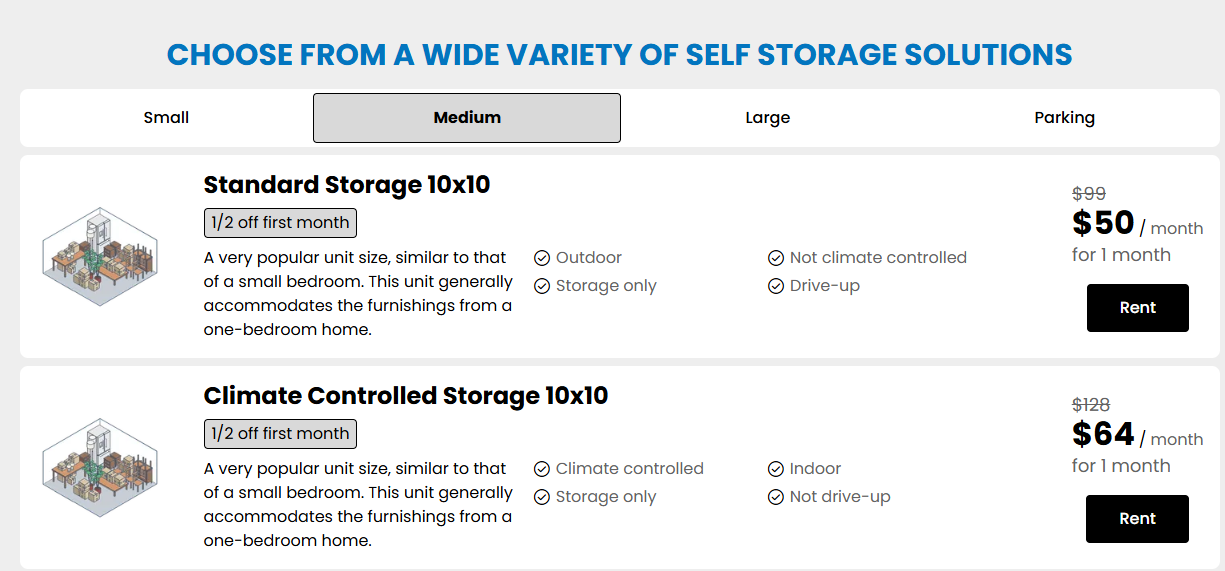
A 10x20 is 200 square feet, about the size of a small one-car garage, and holds the contents of a three or four-bedroom house: sectionals, dining tables, mattress sets, dressers, appliances and the boxes that come with them. It's the size most families choose when they're between homes or emptying the house for a remodel. We have 10x20 units available now in both drive-up and climate-controlled, and select sizes, including our 10x20s, are half off the first full month.
Storing just a room or two? A 10x10 or 10x15 is often plenty for a bedroom set or a living room.
How Often Should You Check on Stored Furniture?
Plan to stop by every month or two, especially through the summer. Lift a cover or two, look for any moisture or musty smell, and make sure nothing has shifted or tipped. Catching a problem early is the difference between wiping off a spot and refinishing a whole piece.
Our gate is open from 6 a.m. to 10 p.m. every day, so checking on your things fits around a workday. The property is fully fenced and well lit, with 24-hour cameras and an individual gate code for every tenant.
Frequently Asked Questions About Storing Furniture
Can I store a mattress in a storage unit?
Yes. Clean it and make sure it's completely dry, then use a mattress bag for the move and a breathable cover once it's in the unit. Store it flat if you have the floor space, and never stack heavy items on top. For anything longer than a short stay, climate-controlled storage is the safer choice, since mattresses hold on to moisture and odors.
Is it okay to wrap furniture in plastic for storage?
For the move itself, yes. For long-term storage, no. Plastic wrap traps moisture against wood and fabric, which can lead to mildew, cloudy finishes and that musty smell. Swap it out for moving blankets, furniture pads or cotton sheets once the piece is in place.
How long can furniture stay in storage?
As long as you need it to, if it's prepared and stored well. Plenty of people keep furniture in storage for a year or more while they're between homes, settling an estate or waiting for a child to get their first place. The longer the stay, the more climate control is worth it for wood, leather and upholstery.
Do I need climate control if I'm only storing furniture for a month or two?
Not always. Sturdy everyday furniture can usually handle a short stay in a drive-up unit, particularly in the cooler months. If the pieces are antiques, heirlooms, leather or have a fine finish, or if the stay runs into summer, climate control is the safer bet.
Are there any fees besides the monthly rent?
There's a one-time $20 administrative fee when you rent. After that, you pay your monthly rent and that's it. Select sizes, including our 10x20s, are currently half off the first full month.
Can I rent a storage unit online?
Yes. You can choose your unit, pay and sign your lease online, then head straight to your unit with no office visit. Our guide to renting storage online walks through each step.
Find the Right Furniture Storage in Burlington, NC
America's Self Storage has been locally owned and serving Burlington, Graham, Elon, Haw River and the rest of Alamance County since 2005. Whether you need a climate-controlled unit for the good furniture or a drive-up 10x20 for the whole house, you can see sizes and current specials and rent your unit in a few minutes at americasself-storage.com.