What Not to Store in a Storage Unit: A Burlington NC Guide
Not everything is suitable for self storage
Most people rent a storage unit thinking about what they want to put in it. The boxes from the guest room, the furniture that does not fit anymore, the seasonal gear crowding the garage. That is the easy part.
The harder question, and the one that saves people real money and real headaches, is what should stay out. A few common items can damage everything around them, attract pests, or create a safety problem for the whole building. Here is a straightforward look at what does not belong in a storage unit, why, and what to do with those items instead.
Why Are Some Items Not Allowed in Storage Units?
Three reasons cover almost all of them. Safety, because fuel and chemicals are a fire risk in an enclosed space. Damage, because anything that leaks, rots, or draws insects affects neighboring units, not just your own. And law, because storage facilities are bound by state and local regulations on what can be kept on the property.
Every storage facility in Alamance County works from a similar list. Knowing it before you pack means no surprises on move-in day.
Can You Store Food in a Storage Unit?
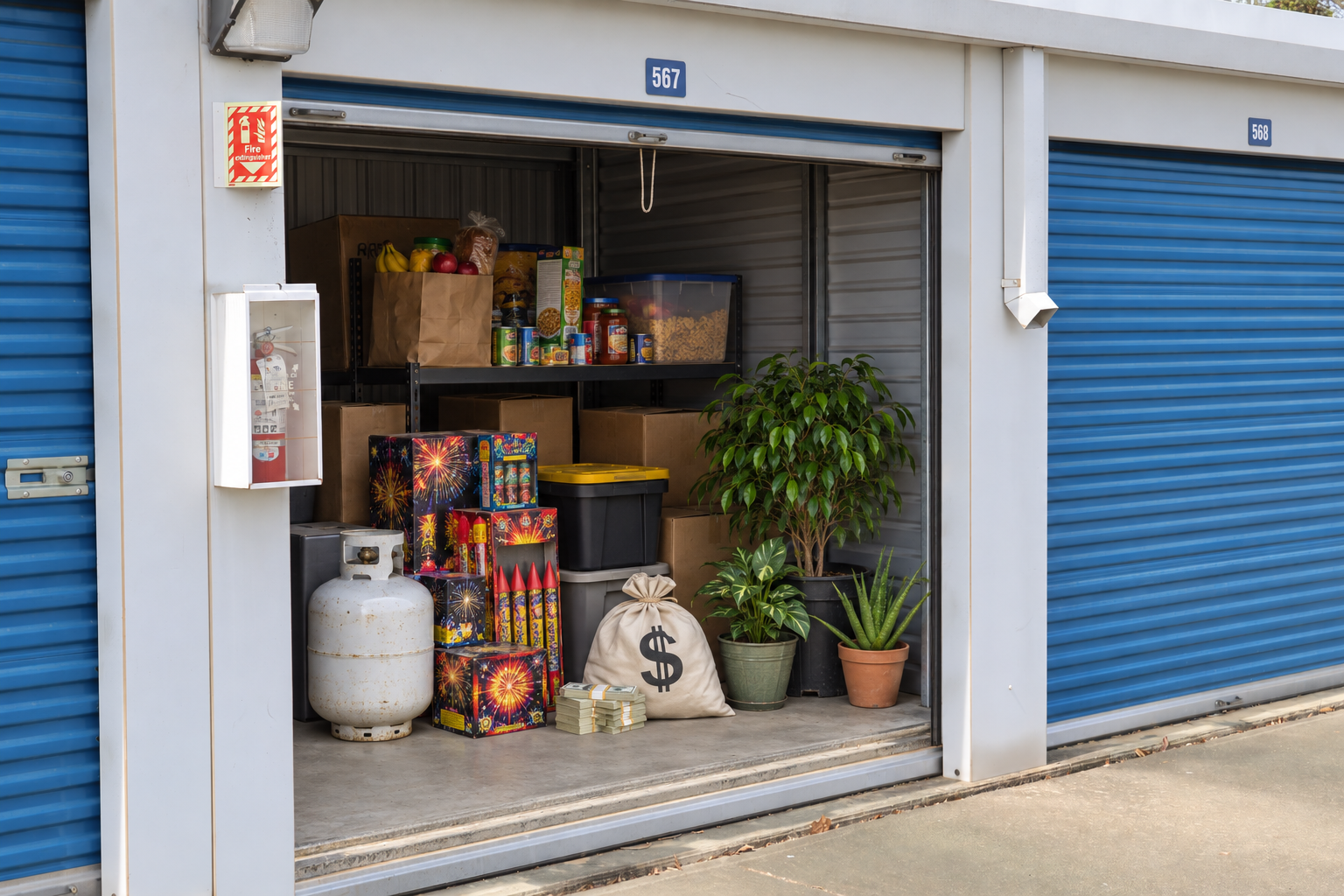
No, and this is the rule people break most often. Boxed pantry goods, canned items, pet food, and bags of birdseed all seem harmless because they are sealed. They are not. Food of any kind attracts mice, ants, and roaches, and cardboard and plastic are no barrier to a determined mouse.
The trouble is that pests do not stay put. A forgotten box of granola bars becomes a problem for the units on either side of yours. If you are packing a kitchen during a move, set the food aside and donate what you will not use. Allied Churches of Alamance County and other local pantries will take unopened, unexpired items.
The same goes for anything perishable in a less obvious form. Scented candles, potpourri, and soap can draw pests too.
What About Gasoline, Propane, and Other Flammables?
These are firmly off the list. Gasoline, kerosene, propane tanks, lighter fluid, paint, paint thinner, motor oil, fertilizer, pool chemicals, aerosols, fireworks, and ammunition are all prohibited. Temperatures and pressure change through the year, containers fail, and fumes build up in a closed space.
This trips up more people than you would guess, because the fuel is often already inside the thing they are storing. Lawn mowers, string trimmers, chainsaws, generators, pressure washers, and leaf blowers all hold gas. Before any of it goes into a unit, run the tank dry or drain it, and disconnect the battery.
The same principle applies to boats, motorcycles, and RVs kept in outdoor parking. Ask about the specific requirements before you park, since the rules for vehicles differ from the rules for an enclosed unit.
Can I Store Plants or Anything Living?
No. Plants need light and water and will not survive, and a dying plant means damp soil, mold, and gnats. Live animals are never permitted under any circumstances, and neither is anyone living in a unit. That one sounds obvious, but it is worth stating plainly because facilities are required to enforce it.
What Happens If You Store Something Damp?
North Carolina humidity does the rest. A tent packed away after a rainy weekend at the lake, towels that went in still a little wet, a mattress that was rained on during the move. Any of these will grow mildew, and mildew spreads to the fabric, paper, and wood sitting next to it.
Everything should go into your unit fully dry. Let camping gear, patio cushions, sports equipment, and linens air out completely first. It is a small step that prevents the most common form of storage damage we see.
Should You Store Valuables, Cash, or Documents You Use Often?
Cash and irreplaceable jewelry belong in a bank, not a storage unit, and most insurance policies will not cover them there anyway.
Documents are more nuanced. Climate-controlled storage is genuinely good for long-term paper records, tax files, photographs, and family keepsakes, because steady temperature and humidity keep paper from yellowing, curling, and sticking together. The question to ask is how often you need it. If you reach for a document several times a month, keep it at home or at the office. If it is something you must preserve but rarely touch, a climate-controlled unit is a better environment than most attics and basements.
Finally, anything illegal, stolen, or unregistered stays out, and so do items you do not have the right to store.
What Is Actually Worth Putting in Climate-Controlled Storage?
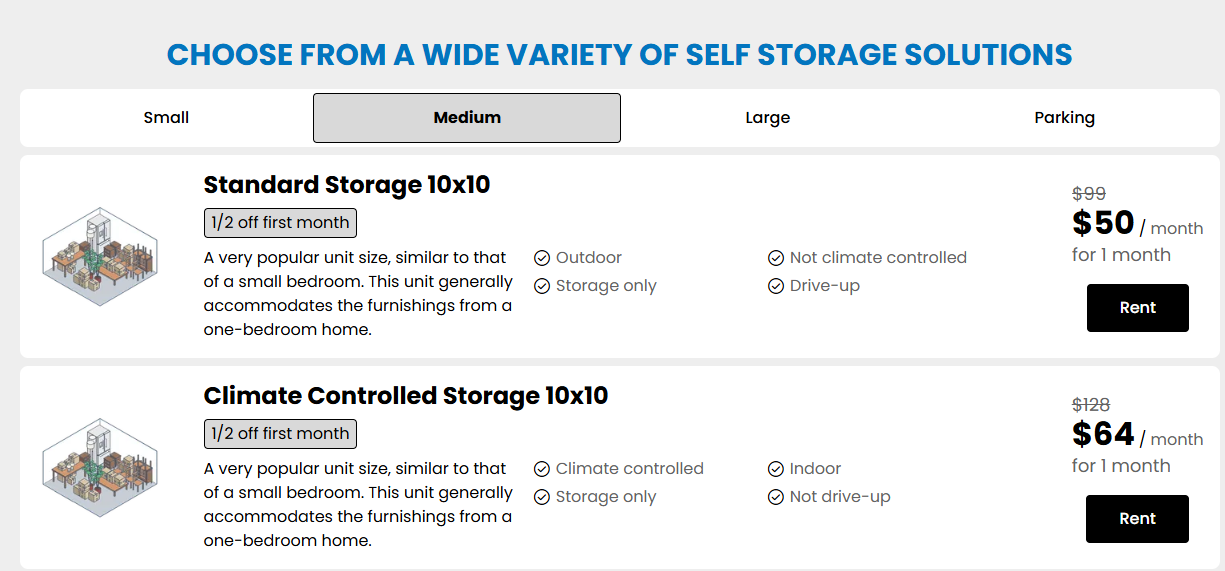
Now the good news. Once the problem items are set aside, a climate-controlled unit is the right home for a long list of things that do poorly in a Burlington garage or attic.
Wood and upholstered furniture, which warp, crack, and mildew through summer heat and winter swings. Electronics, appliances, and anything with a screen. Musical instruments, especially anything wooden. Photographs, artwork, books, and vinyl records. Leather goods. Clothing and linens you want to wear again. Business inventory, files, and product samples. Holiday decorations you want to survive more than a couple of seasons.
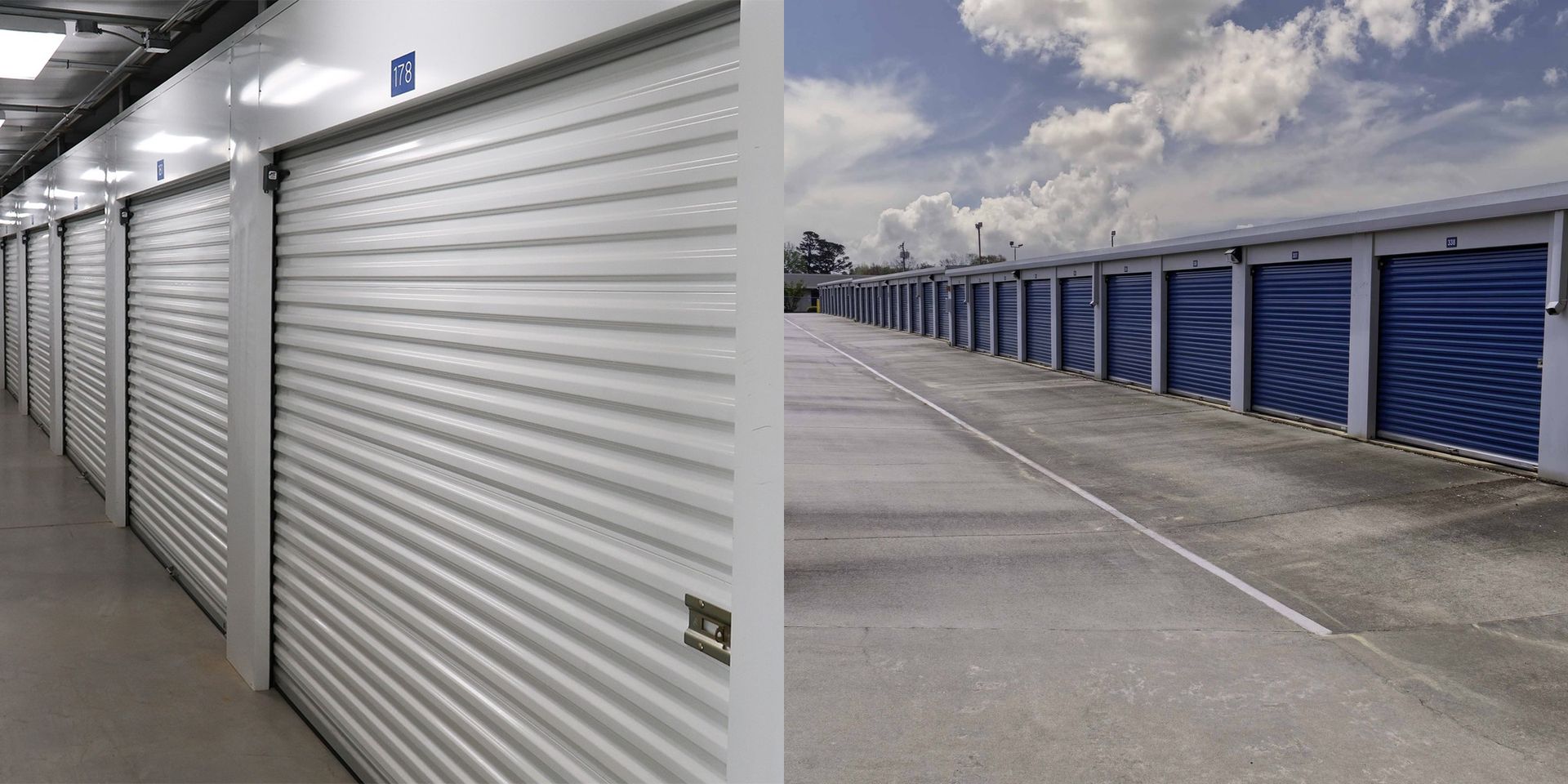
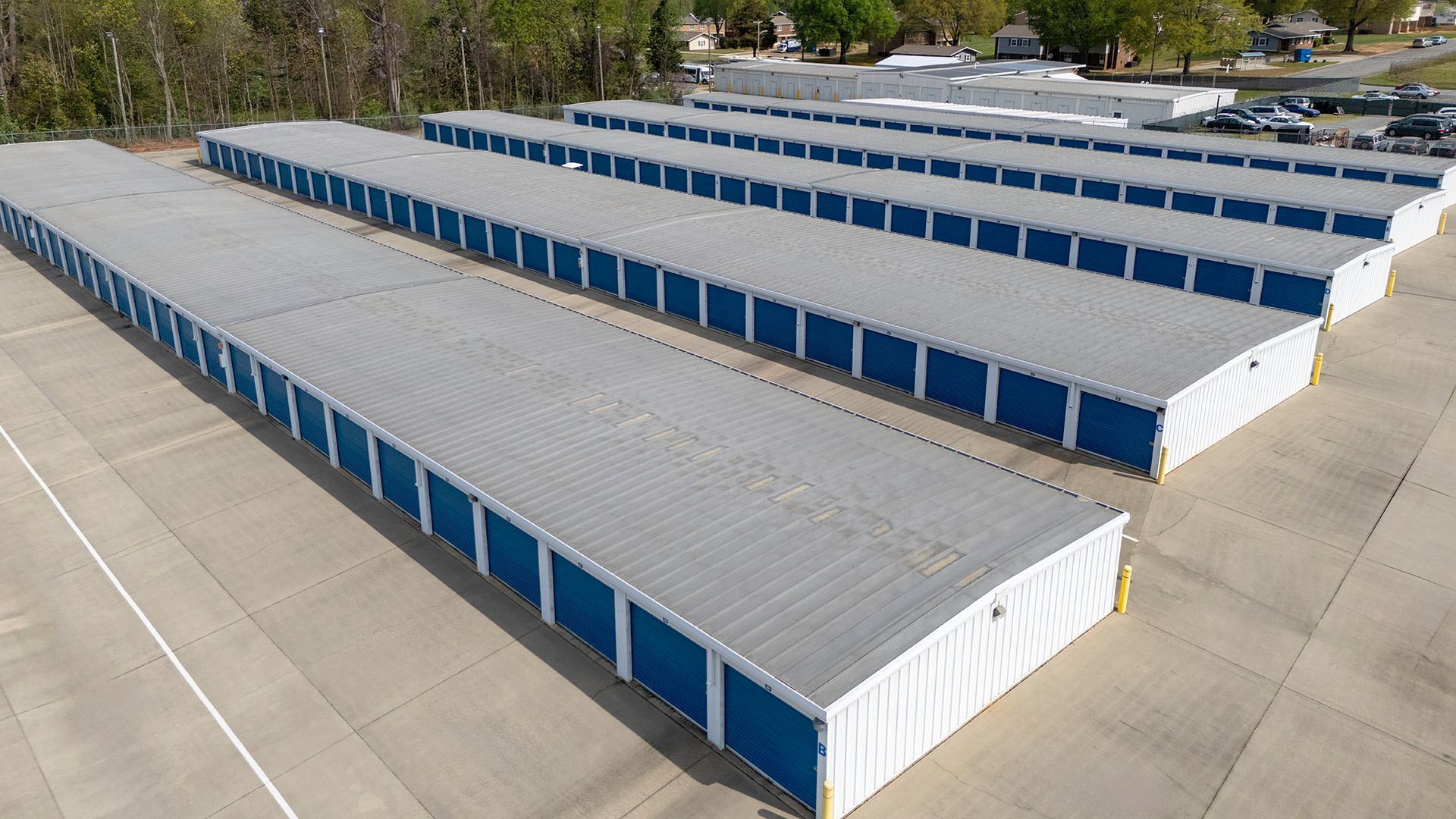
Drive-up units are the better fit for a different set of items. Tools, yard equipment with the fuel drained, patio furniture, totes, and anything heavy or bulky you want to unload straight from a truck without carrying it down a hallway.
Where Can I Get Answers About My Specific Items?
Ask. If you are unsure whether something is allowed, it is a two-minute conversation, and it is far easier to sort out before you load the truck than after.
America's Self Storage has served Burlington, Graham, Elon, Glencoe, Haw River, and the rest of Alamance County since 2005. We are locally owned, with staff on site who know the property and can tell you exactly what will and will not work in a unit. That is a different experience from a remotely managed facility where the only option is a call center.
Renting is straightforward when you are ready. The whole process is online, so you can pick your unit size, pay, and sign from your phone, then go straight to your unit without an office visit.